
Resistance measurements are full of variables
In order to characterize your electrically conductive or dissipative products, there are methods that are better suited for specific tasks, as not every product can be measured in the same way – in the same conditions. The below pen probes are spring-loaded and shielded from exterior electric fields and the operator bias. It is quite common to see surface resistance of ESD protection items being measured with metallic contacts and a regular multimeter – which is rather unsettling as the actual material resistance can potentially be even 2 or 3 decades lower than your measurements.
Have you considered the effect of orientation? Possibly the part has weld lines or visual defects on the surface? Ever noticed the same part is much more conductive in one place, and less conductive at some other location. With proper tools you can set up the process window in manufacturing, figure out the root cause of problems, monitor quality and ensure your measurement values represent the product and not your internal system errors – which can lead to a non-compliance or an ESD-risk at worst.
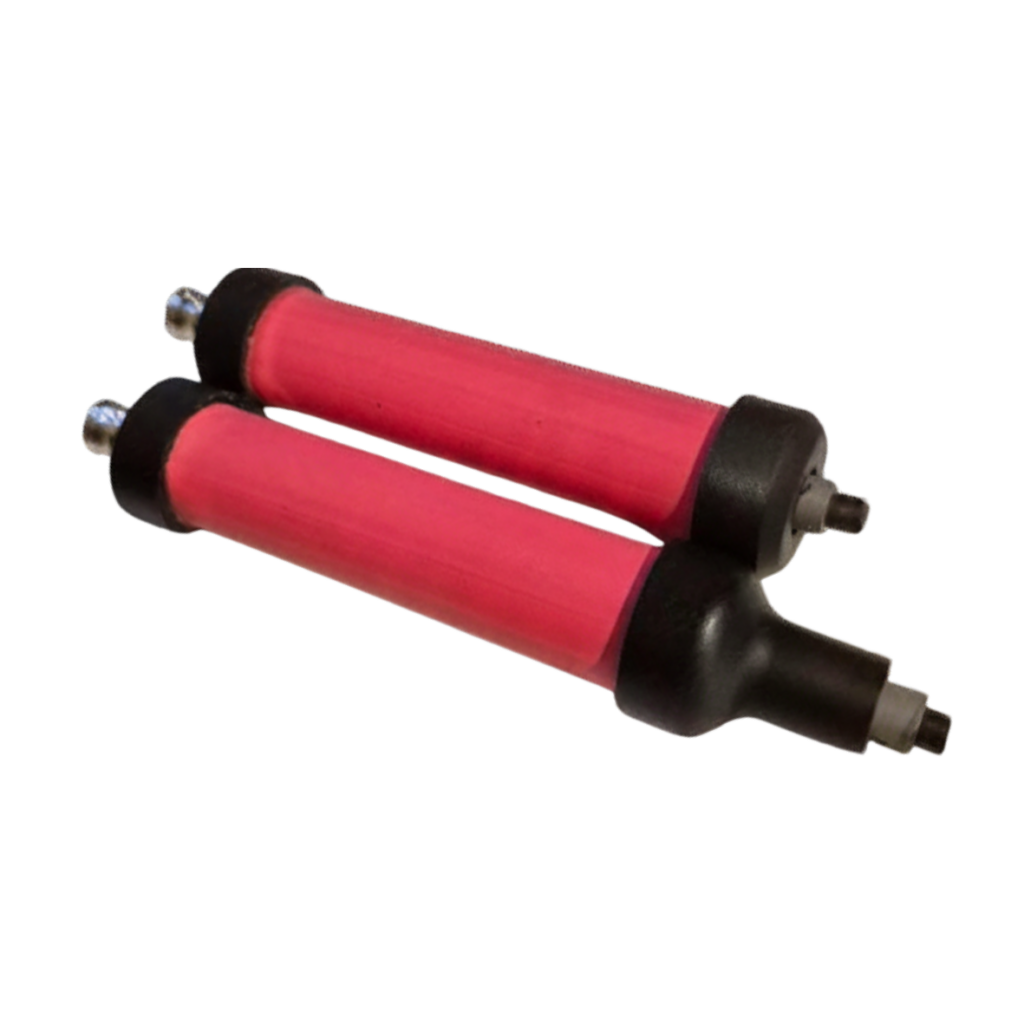
The probes can be attached to various devices, such as general multimeters, insulation testers or laboratory bench top devices. The connections are often with either 4 mm banana plugs or BNC connectors.
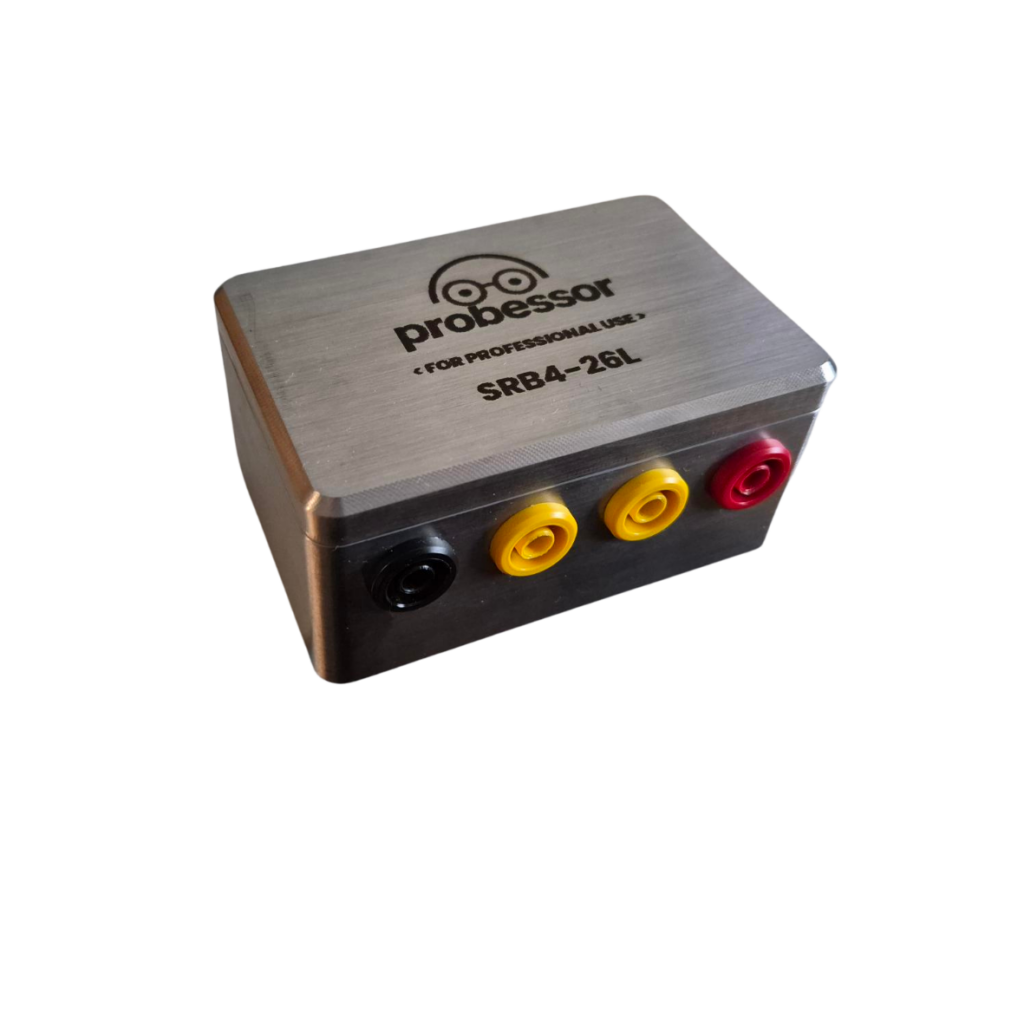
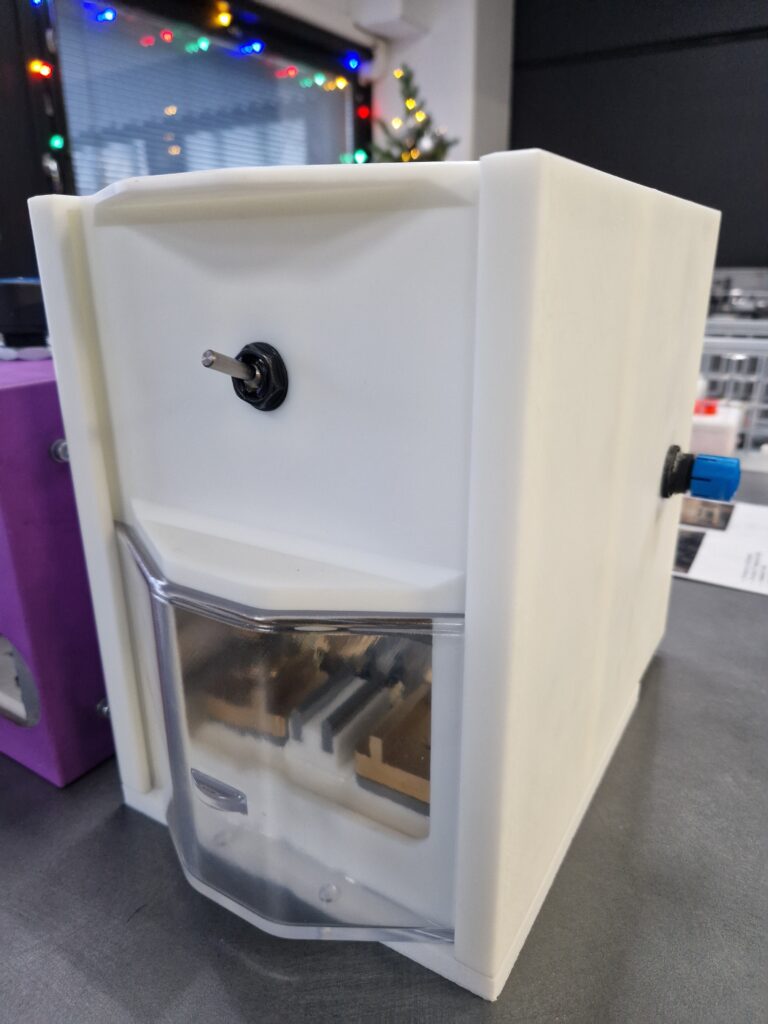
While probes are good for quality control and other compliance assessments of e.g. arbitrary shaped objects in varying test locations, they are not the best solution for characterizing the materials’ conductive properties, i.e., surface resistivity or volume resistivity. For this kind of need laboratory test fixtures are often needed. Two commonly used 4-point measurement methods for volume resistivity of planar samples are ASTM D991 and ISO 3915.
Describe your need, and be one step closer to solving it